What does a Construction Project Manager do?
A Construction Project Manager oversees and coordinates all aspects of construction projects. This role ensures that projects are completed on time, within budget, and to the highest quality standards. The manager works closely with architects, engineers, contractors, and other stakeholders to develop project plans and manage resources efficiently. They also handle budgeting, scheduling, and reporting to ensure that each project meets client expectations and complies with safety regulations.
The responsibilities of a Construction Project Manager include coordinating project tasks, monitoring progress, and solving any issues that arise. They also communicate regularly with team members and stakeholders to provide updates on project status. This position requires strong organizational skills, attention to detail, and the ability to manage multiple tasks simultaneously. Effective problem-solving and decision-making skills are crucial for handling unexpected challenges that may occur during the construction process. Success in this role depends on the manager's ability to lead a team, motivate workers, and foster a collaborative work environment.
How to become a Construction Project Manager?
Becoming a Construction Project Manager requires dedication and the right steps. This career path involves managing building projects, ensuring they meet budget, safety, and quality standards. It's a rewarding job for those who like to lead and organize. Here are five steps to guide someone on this career path.
First, a solid educational foundation is essential. Most employers want candidates with a bachelor's degree in construction management, civil engineering, or a related field. This education provides the basic skills and knowledge needed for the job. Online courses and community college programs can also help prepare someone for this role.
- Gain relevant experience.
- Obtain necessary certifications.
- Network within the industry.
- Apply for entry-level positions.
- Advance through experience and education.
After education, the next step is to gain experience. Working in construction or a related field helps to build practical skills. Jobs such as construction worker, assistant project manager, or site supervisor are great starting points. Experience teaches the daily tasks and challenges of the job.
Next, obtaining certifications can boost a candidate's resume. Certifications like Project Management Professional (PMP) or Certified Construction Manager (CCM) show a commitment to the profession. These certifications can make a candidate more competitive in the job market.
Networking within the industry is also important. Joining professional organizations, attending conferences, and connecting with industry professionals can open doors to job opportunities. Talking with experienced project managers can provide insights and advice on the career path.
After education, experience, and networking, the next step is to apply for entry-level positions. Look for jobs that offer growth opportunities. Starting in a smaller role allows someone to learn and grow within the company. Employers often look for candidates with a mix of education, experience, and certifications.
Finally, advancing through experience and education can lead to a project manager role. Many project managers start in lower positions and work their way up. Continuous learning and gaining more experience can help to reach higher positions. Staying updated with industry trends and best practices is key to career growth.
How long does it take to become a Construction Project Manager?
The path to becoming a Construction Project Manager varies. Many managers start with a degree in construction management, architecture, or a related field. This usually takes four years. Some opt for a degree in business or engineering. A bachelor's degree is often required. After earning a degree, gaining experience in the field is essential. Many start as construction workers or site supervisors. This can take one to three years. Some roles may offer training programs. This hands-on experience is valuable for future managers.
Experienced workers can move up to project coordinator or assistant project manager roles. This can add another two to four years to the timeline. Some project managers also earn certifications. The Project Management Professional (PMP) credential can help. It requires a certain amount of experience and passing an exam. This step is optional but can enhance job prospects. In total, it can take six to ten years to become a Construction Project Manager. This includes education, training, and hands-on experience.
Construction Project Manager Job Description Sample
We are seeking a highly skilled and experienced Construction Project Manager to oversee and manage all aspects of our construction projects from inception to completion. The ideal candidate will have a strong background in construction management, excellent organizational and leadership skills, and the ability to ensure projects are completed on time, within budget, and to the highest quality standards.
Responsibilities:
- Plan, coordinate, and manage all aspects of construction projects to ensure timely completion within budget.
- Develop project plans and schedules, and monitor progress to ensure milestones are met.
- Collaborate with architects, engineers, subcontractors, and other stakeholders to ensure project requirements are met.
- Prepare and manage project budgets, including cost estimates, financial forecasting, and reporting.
- Conduct regular site inspections and ensure compliance with safety regulations and quality standards.
Qualifications
- Bachelor's degree in Construction Management, Engineering, or a related field.
- Minimum of 5-7 years of experience in construction project management, with a proven track record of successfully managing large-scale projects.
- Strong knowledge of construction methods, materials, and legal regulations.
- Excellent leadership, communication, and interpersonal skills.
- Proficient in project management software and tools (e.g., MS Project, Primavera, BIM).
Is becoming a Construction Project Manager a good career path?
A Construction Project Manager leads teams to bring architectural designs to life. This role involves planning, coordinating, budgeting, and supervising construction projects. It requires a blend of technical skills and leadership qualities. With a strong foundation in construction and management, professionals in this field ensure that projects are completed on time and within budget.
Working as a Construction Project Manager offers many rewards. These include the satisfaction of seeing completed projects and the opportunity to work in diverse environments. However, the role also comes with challenges. Managing tight schedules, handling unexpected issues, and ensuring safety can be demanding. Balancing multiple responsibilities requires excellent organizational skills and the ability to handle stress effectively.
Consider these pros and cons before pursuing this career path:
- Pros:
- Opportunity for career growth and advancement
- Variety of projects and work environments
- High demand for skilled professionals
- Ability to make a tangible impact on the community
- Cons:
- Irregular hours and potential for long work days
- Exposure to outdoor elements and potential hazards
- High-pressure situations and tight deadlines
- Need for strong problem-solving skills
What is the job outlook for a Construction Project Manager?
Becoming a Construction Project Manager offers a stable career path with a promising job outlook. The Bureau of Labor Statistics (BLS) reports an average of 38,700 job openings each year. This figure provides ample opportunity for professionals entering the field. The demand for skilled project managers is expected to grow by 4.5% from 2022 to 2032. This growth reflects the ongoing need for experienced managers to oversee complex construction projects.
Construction Project Managers play a vital role in ensuring projects are completed on time and within budget. This responsibility makes them essential to the industry. Employers value their ability to coordinate teams, manage resources, and solve problems effectively. As a result, the role of a project manager is both rewarding and in demand. Those who excel in this position can expect a stable and lucrative career.
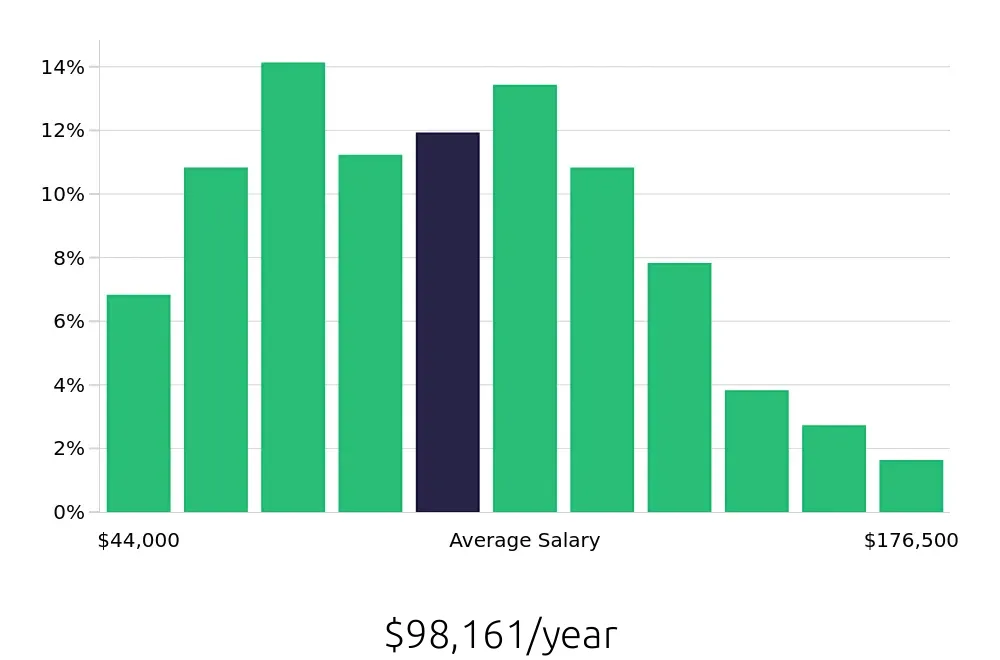
The compensation for Construction Project Managers is also attractive. According to the BLS, the average national annual salary is $116,960. On an hourly basis, the average compensation stands at $56.23. These figures highlight the financial benefits of pursuing a career in this field. Additionally, the demand for skilled managers continues to rise, offering job security and growth opportunities. For professionals looking to build a stable and rewarding career, becoming a Construction Project Manager is an excellent choice.
Currently 1,889 Construction Project Manager job openings, nationwide.
Continue to Salaries for Construction Project Manager