What does a Dental Assistant do?
A Dental Assistant supports the dentist and helps ensure the smooth operation of the dental office. They work closely with patients and dental professionals. Tasks include preparing patients for procedures, sterilizing instruments, and taking X-rays. The role is vital for the efficiency of dental care. Dental Assistants also educate patients on oral hygiene practices. Their work helps maintain a clean and organized dental environment.
In addition, Dental Assistants assist during dental procedures. They hand instruments to the dentist, manage patient records, and ensure patient comfort. They often work with different types of dental software to manage appointments and patient information. This role requires attention to detail and the ability to follow instructions carefully. Dental Assistants play an important role in patient care and the overall success of a dental practice.
How to become a Dental Assistant?
Becoming a Dental Assistant is a rewarding career choice that offers stability and the opportunity to support dental professionals. This role is both challenging and fulfilling, as Dental Assistants play a key part in ensuring smooth operations in a dental office.
Follow these steps to begin your journey toward a career as a Dental Assistant:
- Complete High School or GED: The first step is to finish high school or obtain a GED. This basic educational requirement is essential for all job seekers.
- Enroll in a Dental Assisting Program: Next, enroll in a certified program. These programs are available at community colleges, vocational schools, or dental offices. They typically last from a few months to a year.
- Gain Hands-On Experience: Some programs offer clinical hours as part of the curriculum. If not, look for internships or job shadowing opportunities. This hands-on experience is crucial for learning the practical skills needed in the job.
- Obtain Certification: While not always required, certification can improve job prospects. The Dental Assisting National Board offers a certification exam. Passing this exam demonstrates competence and commitment to the profession.
- Search for Employment: After completing the program and gaining experience, start searching for jobs. Use job boards, dental office websites, and professional networks to find opportunities. Tailor your resume to highlight relevant skills and experiences.
How long does it take to become a Dental Assistant?
Interested in a career as a Dental Assistant? The journey into this rewarding field doesn't demand a long-term commitment. Most programs offer a streamlined path to completion. Certificate programs often take as few as nine months to complete. These programs focus on essential skills and knowledge. Topics include dental procedures, patient care, and office management. This makes them an excellent choice for those eager to enter the workforce quickly.
Associate degree programs provide a more comprehensive education. These programs usually span two years. They cover a wide range of subjects. Students learn about dental anatomy, radiography, and dental office administration. Graduates of these programs often find they are well-prepared for various roles within a dental office. These may include clinical tasks and administrative duties. This broader education can lead to better job opportunities and higher earning potential. Balancing education with work or other commitments is easier with these shorter programs. They offer flexibility to fit different schedules.
Dental Assistant Job Description Sample
A Dental Assistant supports dental professionals in providing patient care, handling administrative tasks, and ensuring the smooth operation of the dental office.
Responsibilities:
- Assist the dentist during a variety of treatment procedures.
- Prepare and sterilize dental instruments and equipment.
- Take and develop dental x-rays.
- Ensure patient comfort and provide chair-side assistance.
- Manage patient records, including updating medical histories and treatment plans.
Qualifications
- High school diploma or equivalent required; dental assisting certification preferred.
- Completion of an accredited dental assisting program.
- Current CPR certification.
- Knowledge of dental terminology and procedures.
- Proficient in using dental software and electronic health records.
Is becoming a Dental Assistant a good career path?
The role of a Dental Assistant is both rewarding and multifaceted. This career supports dentists in providing quality patient care. Assistants perform tasks such as preparing patients, sterilizing equipment, and handling administrative duties. The work environment can range from dental offices to clinics, ensuring variety in daily tasks.
Choosing this career path has its benefits and challenges. Below are some pros and cons to consider.
- Pros:
- Short training period compared to many healthcare careers.
- Opportunity to assist directly in patient care, making a difference in their health.
- Potential for career advancement to specialized roles or administrative positions.
- Work in a clean, controlled environment, which can be less stressful than some other roles.
- Cons:
- Standing for long periods can lead to physical strain.
- Exposure to infectious diseases requires careful adherence to safety protocols.
- Limited earning potential compared to roles requiring advanced degrees.
- Work schedule may include evenings and weekends to accommodate patient availability.
Overall, a career as a Dental Assistant offers a stable and impactful path for those interested in the healthcare field. Careful consideration of the pros and cons will help determine if this is the right fit for your career goals.
What is the job outlook for a Dental Assistant?
Dental assisting offers a stable and promising career path. The Bureau of Labor Statistics (BLS) reports about 257,100 job positions available each year. This consistent demand provides a solid foundation for job seekers entering this field. The profession has shown a positive trend, with job openings expected to rise by 10.4% from 2022 to 2032. This growth indicates a favorable job outlook for those who seek a career in dental assisting.
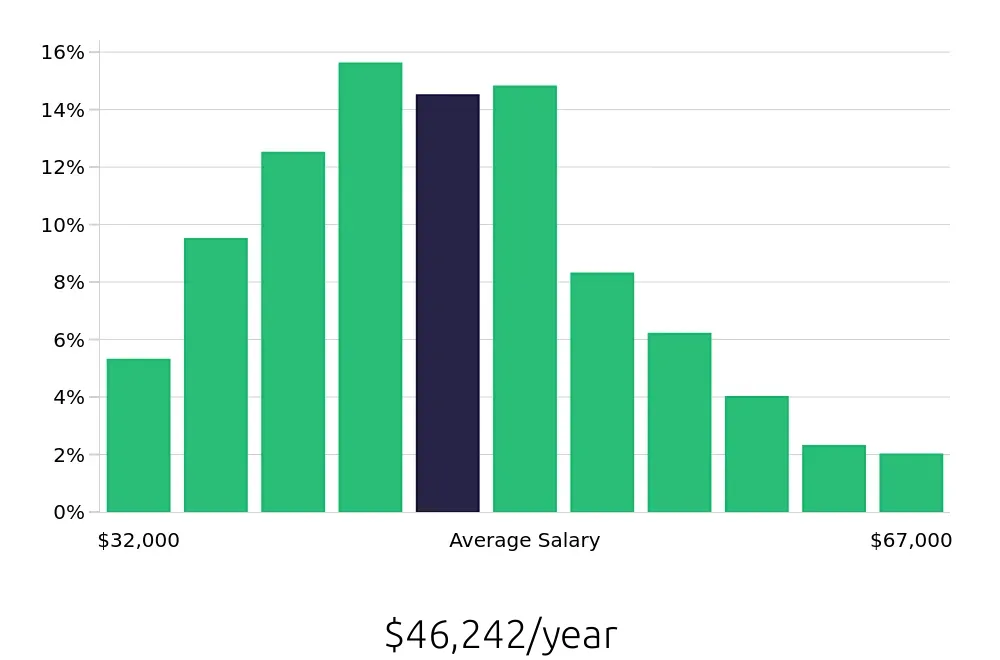
Prospective dental assistants can expect a competitive salary as well. According to the BLS, the average national annual compensation stands at $43,940. This average hourly wage is $21.13. These figures reflect the value of skilled professionals in this role. With proper training and experience, dental assistants can enjoy both job security and a respectable income.
For job seekers interested in this rewarding career, the future looks bright. The BLS data highlights not only job availability but also the positive trajectory of the field. Aspiring dental assistants can look forward to a stable job market and competitive compensation. This combination makes dental assisting an excellent choice for those seeking a dependable and fulfilling career.
Currently 7,331 Dental Assistant job openings, nationwide.
Continue to Salaries for Dental Assistant