What does a Department Manager do?
A Department Manager oversees a specific department within a company. They ensure that the department runs smoothly and meets its goals. This role involves coordinating team activities, managing budgets, and communicating with upper management. They help to create an efficient and productive work environment.
The Department Manager evaluates the performance of team members. They provide feedback and training as needed. This role requires strong leadership skills and the ability to motivate others. It also involves making important decisions that impact the department's success. They work closely with other departments to ensure that the company runs as a cohesive unit. The Department Manager is a key player in achieving the company's objectives.
Responsibilities may include:
- Setting department goals and objectives
- Creating and managing budgets
- Recruiting, training, and supervising staff
- Analyzing performance and making improvements
- Reporting to senior management
How to become a Department Manager?
Becoming a Department Manager is a rewarding career step for many professionals. It involves a series of well-defined steps that lead to effective leadership and management roles. Understanding these steps can help job seekers prepare and position themselves for success in management.
Here are the key steps to becoming a Department Manager:
- Gain Relevant Experience: Start by gaining experience in your chosen field. This may include working in various roles within the department you aim to manage.
- Develop Leadership Skills: Focus on developing skills such as communication, problem-solving, and team management. Taking on leadership roles in projects can be very helpful.
- Pursue Education and Certifications: Consider obtaining a degree in business, management, or a related field. Additional certifications in management can enhance your qualifications.
- Network and Build Relationships: Establish connections with colleagues and industry professionals. Networking can open doors to opportunities and provide valuable insights.
- Apply for Managerial Roles: Once qualified, start applying for Department Manager positions. Tailor your resume and cover letter to highlight relevant experience and skills.
How long does it take to become a Department Manager?
Many people wonder how long it takes to reach the position of a Department Manager. This journey often involves a mix of education, experience, and personal dedication. Most candidates hold a bachelor’s degree in business or a related field. They also gain experience by working in various roles within the same department. This path can take several years, typically between five to seven years.
To succeed, individuals should focus on both their professional skills and personal traits. Key skills include strong communication, leadership, and problem-solving abilities. Personal traits such as integrity, adaptability, and a positive attitude also play a vital role. Managers need to motivate their teams and manage projects efficiently. Networking and seeking mentorship can further speed up this career progression. Companies often look for candidates who show dedication and a clear path toward management roles.
Department Manager Job Description Sample
The Department Manager is responsible for overseeing the operations and performance of a specific department within an organization. This role involves strategic planning, team management, and ensuring the department meets its goals and objectives. The Department Manager must lead by example, foster a positive work environment, and align departmental activities with the overall business strategy.
Responsibilities:
- Develop and implement departmental strategies and plans that align with the organization's goals.
- Manage and motivate the department team, ensuring high performance and effective communication.
- Monitor and evaluate department performance against key performance indicators (KPIs).
- Coordinate and oversee daily departmental operations, ensuring efficiency and effectiveness.
- Develop and maintain budgets, and ensure financial resources are utilized efficiently.
Qualifications
- Bachelor’s degree in Business Administration, Management, or a related field; Master’s degree preferred.
- Proven experience in a managerial or supervisory role, preferably within the relevant industry.
- Strong leadership and team management skills.
- Excellent organizational and time management abilities.
- Proficient in budget management and financial analysis.
Is becoming a Department Manager a good career path?
A career as a Department Manager offers a unique blend of leadership and management skills. This role involves overseeing specific departments within a company, ensuring smooth operations and effective team performance. Managers coordinate schedules, manage budgets, and ensure that projects meet deadlines. This position requires strong communication, problem-solving, and organizational abilities.
For those interested in this career, there are both advantages and challenges to consider. On the positive side, a Department Manager enjoys a sense of responsibility and the opportunity to make a real impact on department performance. This role often provides clear career progression, with the potential to advance to higher management positions. The work environment can be dynamic, offering a variety of tasks and interactions. However, it also comes with challenges. The role can be demanding, requiring long hours and the ability to handle stress. Additionally, managing people can be complex, with the need to handle conflicts and motivate teams effectively.
Consider these pros and cons before pursuing this career path:
- Pros:
- Leadership role with significant responsibility
- Opportunities for career advancement
- Varied tasks and dynamic work environment
- Cons:
- High stress and long working hours
- Complex people management challenges
- Need to handle conflicts and motivate teams
What is the job outlook for a Department Manager?
A career as a Department Manager offers promising job prospects and growth potential. The Bureau of Labor Statistics (BLS) reports an average of 69,600 job positions per year for Department Managers. This role is crucial across various industries, providing ample opportunities for those in the field. With a consistent demand, job seekers can expect a stable career path.
The job outlook for Department Managers is positive, with a projected 16% increase in job openings from 2022 to 2032. This growth suggests a favorable trend for professionals entering or advancing in this role. As businesses expand and evolve, the need for experienced leaders to manage departments effectively remains strong. Job seekers can look forward to a growing number of opportunities in the coming years.
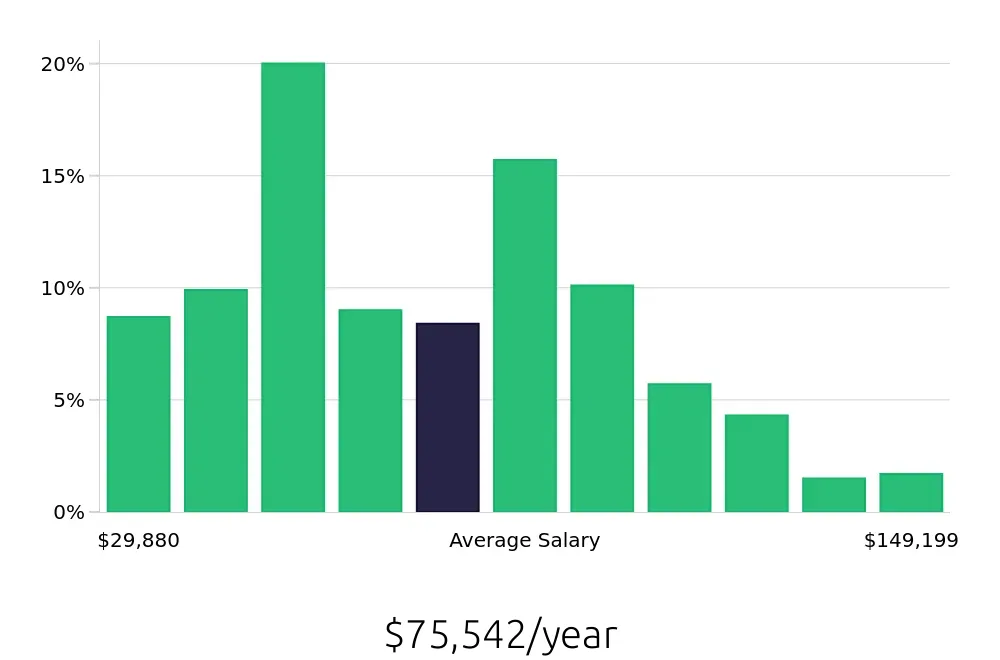
Department Managers enjoy competitive compensation, with an average annual salary of $174,820 according to the BLS. This figure highlights the value placed on managerial expertise and leadership in various sectors. Additionally, the average hourly rate of $84.05 underscores the importance of this role. For job seekers, these numbers reflect the rewards of pursuing a career as a Department Manager.
Currently 272 Department Manager job openings, nationwide.
Continue to Salaries for Department Manager