Position
Overview
A Forklift Operator plays a key role in many warehouses and manufacturing plants. This person uses specialized machinery to move heavy materials around. They stack and unstack goods on pallets. Operators ensure that everything moves smoothly and safely. This role is crucial for keeping the supply chain running.
To be a Forklift Operator, someone must have the right skills and training. They need to understand how to handle the machinery properly. Operators must also be aware of safety rules. This role requires focus and attention to detail. A Forklift Operator helps businesses keep up with their work demands.
This job often involves working in a team. Forklift Operators must communicate well with others. They coordinate to make sure everything goes as planned. This job can be physically demanding. It also requires problem-solving skills. Forklift Operators ensure that all goods move quickly and efficiently.
Becoming a Forklift Operator involves a clear process that can lead to a rewarding career. Employers value these workers because they know how to move heavy materials safely. To start, individuals must understand the job's requirements and prepare themselves accordingly. Following the right steps can make the journey smoother and more successful.
This profession begins with obtaining the necessary training and certifications. Training programs cover essential skills, like operating the forklift, understanding safety protocols, and handling materials. Completing a certified training course is crucial, as many employers require it. After training, candidates should look for entry-level positions to gain experience. Working in different environments helps individuals learn and grow.
A step-by-step outline for aspiring forklift operators includes:
Getting certified as a forklift operator involves several key steps. First, an individual completes a training program, which usually takes about one to three weeks. This training covers safety, operation, and handling techniques. Participants learn to use different types of forklifts, such as reach trucks and pallet jacks.
After training, individuals take a certification exam. Passing this exam is necessary to get a license. The exam tests knowledge of forklift operation and safety rules. Most people take this exam at the end of their training program. Successfully completing the training and exam opens the door to many job opportunities in warehouses and distribution centers. This certification is a valuable skill in the job market.
We are seeking a skilled and experienced Forklift Operator to join our team. The ideal candidate will be responsible for operating forklifts to move materials within our facility, ensuring safety and efficiency in all operations.
Responsibilities:
Qualifications
Operating a forklift offers many opportunities in various industries, such as manufacturing, logistics, and warehousing. This job involves moving heavy items by lifting and transporting them with a forklift. The role is crucial for keeping supply chains smooth and efficient. A forklift operator needs to be careful and precise to avoid accidents.
Consider this career path if you enjoy working with machinery and being active. It provides hands-on work and good pay. However, it also has its challenges. Knowing both the benefits and drawbacks will help you decide if this job is right for you.
Here are some pros of being a forklift operator:
Here are some cons to think about:
For those considering a career as a Forklift Operator, the job outlook is encouraging. The Bureau of Labor Statistics (BLS) reports an average of 42,300 job positions open each year. This number highlights the consistent demand for skilled forklift operators across various industries. The expected job openings percent change from 2022 to 2032 is 2.7%, indicating steady growth in this sector. This growth suggests a stable career path with potential for advancement and job security.
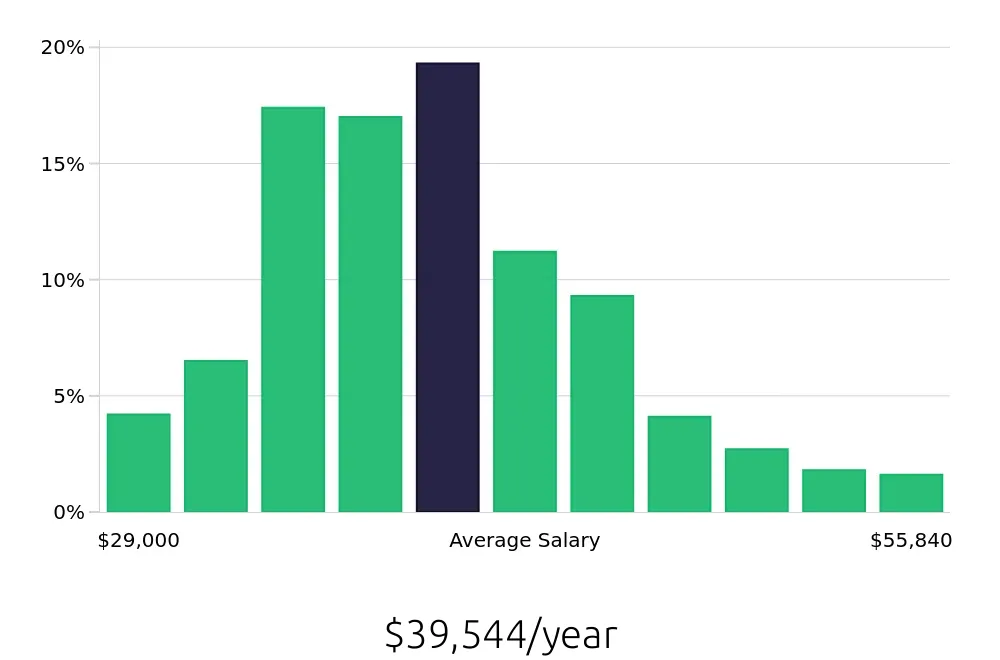
The financial rewards of a career in forklift operation are also appealing. According to the BLS, the average national annual compensation for this role is $61,620. This amount reflects the value employers place on skilled forklift operators. In addition, the average national hourly compensation stands at $29.63, offering competitive pay for the work performed. These figures show that a career as a forklift operator can provide a stable and rewarding income. They also indicate that experience and specialization can lead to higher earning potential.
Aspiring forklift operators should note that job opportunities span multiple industries, including manufacturing, warehousing, and logistics. This diversity provides a range of environments to choose from, catering to different preferences and career goals. The stable job outlook, combined with a respectable salary, makes this a viable career path for those seeking job security and growth opportunities. It is an ideal choice for those looking to enter the workforce with a promising future ahead.