Position
Overview

What does a Insurance Agent do?

An Insurance Agent works to help people protect themselves and their assets. They explain different insurance plans and suggest the best options. An Insurance Agent meets with clients to understand their needs and risks. They create insurance policies that fit each person's situation. It is important for an Insurance Agent to be knowledgeable and detail-oriented. They must stay up to date with the latest in insurance laws and products.

Insurance Agents also handle claims and provide support when policyholders need it. They communicate with insurance companies to ensure everything runs smoothly. An Insurance Agent often works with individuals, families, and businesses. Their goal is to offer peace of mind by providing reliable insurance coverage. They need to have strong communication skills and a customer-focused approach. Building trust and maintaining relationships is key to their role.

In summary, an Insurance Agent plays a crucial role in helping people make informed decisions about their insurance needs. They provide valuable advice and support to ensure their clients are well protected.

View Insurance Agent jobs nearby

How to become a Insurance Agent?

Becoming an insurance agent can lead to a rewarding career. This path requires dedication and a clear understanding of the steps involved. It provides opportunities to help people and build a successful business.

Here are the steps to becoming an insurance agent:

  1. Research the field. Learn about different types of insurance and the services agents provide. Understand the demands and rewards of the job.
  2. Earn a high school diploma. Most employers require at least a high school diploma. Some may prefer a college degree.
  3. Complete pre-licensing education. Take courses to prepare for licensing exams. These courses cover insurance principles and laws.
  4. Pass the licensing exam. Each state has its own exam. Study carefully and take the exam to get licensed.
  5. Gain work experience. Start with an established agency. Learn from experienced agents and build a client base.

Following these steps will set the foundation for a successful career as an insurance agent. Stay committed and focused on helping clients find the best insurance solutions. Each step brings the goal closer, leading to a fulfilling and prosperous career.

How long does it take to become a Insurance Agent?

To become an insurance agent, one needs to complete necessary education and training. This process usually takes about two to four years. First, a person must finish high school or get an equivalent diploma. Then, they need to finish state-required education in insurance. This can often be done through a community college or an insurance school. Many people also choose to get an insurance license. After completing education, an individual gains practical experience through an internship or entry-level job in the insurance industry. This helps prepare them for a career as a full-time agent.

The journey to becoming an insurance agent often involves a mix of formal education, training, and experience. Most insurance agents hold at least a high school diploma. Some choose to pursue a college degree in business or a related field, which can enhance their skills and knowledge. Additionally, agents must complete a pre-licensing education course, which typically takes around 40 to 60 hours to complete. This course covers insurance principles, regulations, and the specific laws of the state where they plan to work.

After finishing the pre-licensing course, aspiring insurance agents must pass a state licensing exam. The time it takes to study for and pass this exam can vary. Some may take a few weeks, while others might need several months. Once licensed, new agents often undergo on-the-job training under the supervision of an experienced agent. This training period can last from several months to a year, depending on the individual's progress and the demands of their employer. Throughout this process, gaining experience and building a client base is key to becoming a successful insurance agent.

Insurance Agent Job Description Sample

We are seeking a dedicated and skilled Insurance Agent to join our team. The ideal candidate will have a strong understanding of the insurance industry, excellent communication skills, and a proven track record of delivering high-quality customer service. This role involves selling insurance policies, providing advice to clients, and maintaining customer relationships.

Responsibilities:

  • Sell and recommend insurance products and services to clients.
  • Conduct assessments of clients' insurance needs and present suitable options.
  • Maintain and manage client accounts, ensuring accurate and up-to-date records.
  • Provide ongoing customer support and service to clients, addressing any concerns or questions.
  • Attend industry events and seminars to stay updated on market trends and regulations.

Qualifications

  • Bachelor's degree in Business, Marketing, or a related field is preferred.
  • Valid insurance license and any additional required certifications.
  • Proven experience as an Insurance Agent or similar role.
  • Strong knowledge of insurance products and services.
  • Excellent communication, negotiation, and interpersonal skills.

Is becoming a Insurance Agent a good career path?

Choosing a career as an insurance agent can lead to both rewarding and challenging experiences. This role involves helping people protect what they value most, such as their homes, families, and businesses. An insurance agent assesses clients' needs and recommends appropriate policies. This work allows for flexibility and the chance to build a client base. However, it also demands strong communication skills and the ability to manage time effectively.

Insurance agents enjoy several benefits in their careers. They can work independently, often setting their own schedules. This flexibility can lead to a good work-life balance. They also have the opportunity to earn bonuses and commissions based on sales. These financial rewards can be very appealing. On the downside, the job can be stressful. Meeting sales targets and handling customer complaints require resilience. Agents must also stay updated on policy changes and market trends, which can be time-consuming.

Here are some pros and cons of being an insurance agent:

  • Pros:
    • Flexible work hours
    • Potential for high earnings
    • Opportunity to build personal relationships
  • Cons:
    • Sales pressure and stress
    • Need to keep up with industry changes
    • Competition with other agents

What is the job outlook for a Insurance Agent?

The job outlook for Insurance Agents shows promising growth. The Bureau of Labor Statistics (BLS) reports an average of 48,300 job positions available each year. This trend is expected to continue, with a projected 7.9% increase in job openings from 2022 to 2032. This positive outlook makes it an attractive field for job seekers.

A career as an Insurance Agent offers competitive compensation. The average national annual salary for this profession is $79,700. Additionally, the average hourly wage stands at $38.32. These figures reflect a stable and rewarding career path for those entering the industry. Aspiring agents can look forward to earning a decent income while providing valuable services to clients.

The BLS data indicates that becoming an Insurance Agent is not only financially rewarding but also offers a stable career path. With consistent job opportunities and competitive pay, this profession is an excellent choice for job seekers. The projected growth and strong compensation make it a viable and lucrative career choice.

Currently 3,186 Insurance Agent job openings, nationwide.

Continue to Salaries for Insurance Agent

Learn about Insurance Agent salaries, top-paying cities, and hiring companies. See how much you could earn!
Position
Salary
Salaries For Insurance Agent
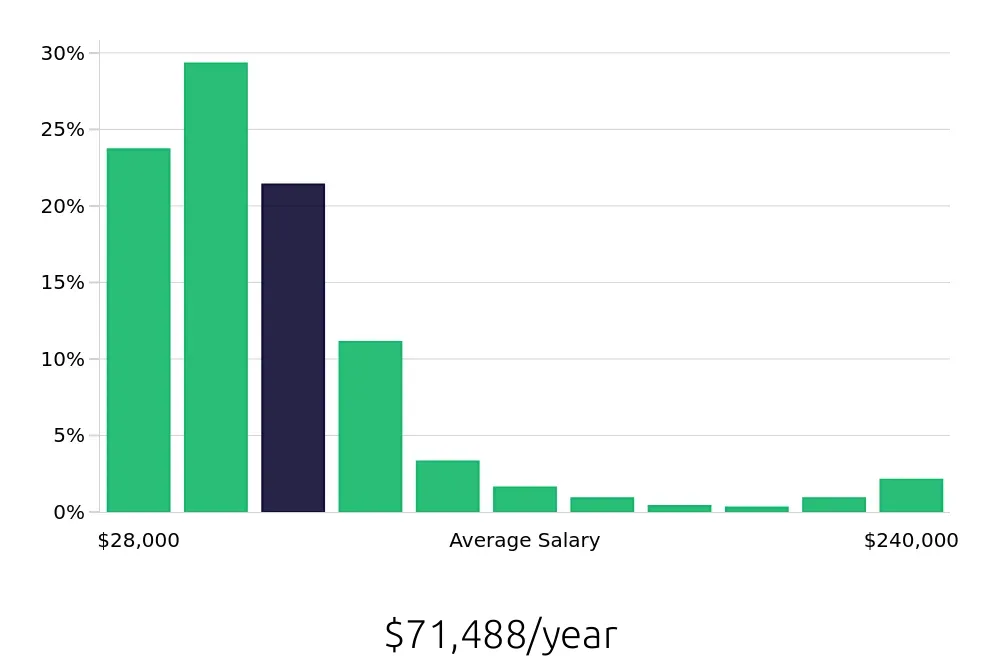
Averge salary $70,026 per year
Graph depicting the yearly salary distribution for Insurance Agent positions, showing an average salary of $70,026 with varying distribution percentages across salary ranges.