What does a Line Cook do?
A Line Cook prepares and cooks food for customers. This role often involves working in a fast-paced kitchen environment. A Line Cook follows recipes to create delicious meals. They chop vegetables, cook meats, and prepare sauces. This position requires attention to detail and the ability to multitask. Cooks work under pressure and need to meet kitchen standards quickly.
Line Cooks often work in teams. They communicate with other kitchen staff to ensure everything runs smoothly. They may specialize in a particular type of cuisine, like Italian or Asian. This role demands a clean and safe working environment. Cooks must follow safety rules and keep the kitchen tidy. They also need to handle food with care to avoid contamination.
A Line Cook must have strong time management skills. They need to prepare dishes fast during busy hours. This position also involves working on feet for long periods. Cooks should be able to stand and move around easily. The job requires good teamwork and the ability to work in a team.
How to become a Line Cook?
Starting a career as a line cook can be both exciting and rewarding. This role is crucial in the kitchen, and following a few steps can pave the way to a successful job in this field. By understanding the process and taking the necessary steps, one can efficiently prepare for a fulfilling career in cooking.
Below are five essential steps to become a line cook:
- Get the Right Education: Attend a culinary school to learn the basics of cooking and kitchen safety. Many schools offer short-term courses that can last from a few weeks to several months.
- Gain Experience: Work in different kitchens to build experience. Start with entry-level positions and work your way up. Experience helps in understanding kitchen dynamics and improving cooking skills.
- Learn Specific Cooking Skills: Focus on mastering different cooking methods and kitchen techniques. Skills such as knife work, sautéing, and grilling are essential for a line cook.
- Understand Kitchen Equipment: Get familiar with the tools and equipment used in a commercial kitchen. Knowing how to use and maintain these tools is crucial for efficiency and safety.
- Network in the Industry: Connect with other professionals in the culinary field. Attend industry events, join culinary associations, and engage with peers to build a network that can help in finding job opportunities.
Following these steps can make the journey to becoming a line cook smooth and successful. With dedication and the right approach, one can establish a strong foundation in the culinary world.
How long does it take to become a Line Cook?
Becoming a line cook involves a blend of formal education and hands-on experience. Most line cooks start with a high school diploma or equivalent. Many then choose to attend culinary school for a certificate or associate degree. These programs can take anywhere from a few months to two years.
In addition to formal training, aspiring line cooks gain valuable experience through internships or entry-level kitchen positions. This real-world experience helps cooks learn kitchen safety, food preparation techniques, and how to work in a fast-paced environment. Many line cooks start as kitchen helpers or prep cooks, gradually moving up to line cook roles. This entire process, from initial training to gaining experience, usually takes about one to three years. With dedication and hard work, one can become a skilled line cook ready to contribute to any busy kitchen.
Line Cook Job Description Sample
The Line Cook plays a crucial role in the kitchen, ensuring that food is prepared and cooked efficiently and to a high standard. This position requires quick thinking, strong teamwork, and the ability to work under pressure.
Responsibilities:
- Prepare food items following recipes and presentation standards.
- Work collaboratively with other kitchen staff to ensure timely and efficient service.
- Maintain a clean and organized cooking station.
- Assist in inventory management and food preparation for service.
- Follow food safety and hygiene protocols.
Qualifications
- Previous experience as a Line Cook or in a similar role.
- Knowledge of kitchen safety and hygiene practices.
- Ability to work in a fast-paced environment.
- Strong multitasking and time management skills.
- Willingness to work in shifts, including weekends and holidays.
Is becoming a Line Cook a good career path?
A career as a Line Cook offers a unique blend of creativity and fast-paced activity. This role serves as a critical part of any kitchen team. The Line Cook prepares ingredients, cooks food, and ensures dishes are served on time. This position demands precision and speed, especially during busy service hours. A Line Cook can find employment in various settings, including restaurants, hotels, and catering services.
Working as a Line Cook has its own set of advantages and challenges. Understanding these can help someone decide if this career path fits their needs.
- Pros:
- Skill Development: Line Cooks learn many cooking techniques. This skill set can open doors to other culinary roles.
- Fast-Paced Environment: This job keeps things exciting. Every day brings new challenges and tasks.
- Immediate Feedback: Mistakes are often noticed right away. This allows for quick learning and improvement.
- Cons:
- Physical Demands: The job requires standing for long hours. This can be tiring and may lead to injuries over time.
- Irregular Hours: Shifts can be early mornings, late nights, or weekends. This can disrupt personal schedules.
- High-Pressure Situations: Busy times can be stressful. The pressure to meet service standards remains constant.
What is the job outlook for a Line Cook?
The job outlook for line cooks offers promising prospects for those seeking a stable and growing career in the culinary industry. The U.S. Bureau of Labor Statistics (BLS) reports an average of 439,300 job openings annually. This number reflects a steady demand in the food service sector, with a projected increase of 6.4% from 2022 to 2032. With a consistent supply of job opportunities, aspiring line cooks can look forward to many chances to explore and advance in this field.
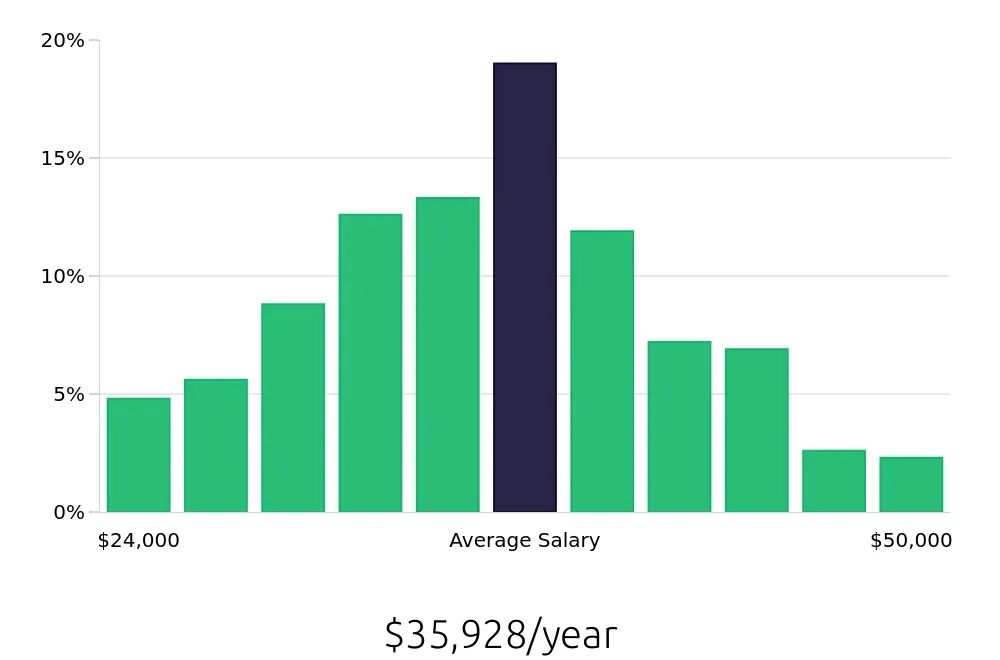
Line cooks play a crucial role in the kitchen, ensuring that dishes are prepared quickly and efficiently. This position demands a blend of culinary skills and teamwork, making it both challenging and rewarding. The BLS states that the average national annual compensation for line cooks is $34,360. While hourly rates vary, the average hourly compensation stands at $16.52. These figures highlight the importance of this role and the potential for professional growth and salary increases over time.
The kitchen environment can be fast-paced and demanding, but it also offers a dynamic and interactive workplace. Line cooks often work in restaurants, hotels, and other food service establishments. This role offers opportunities to learn from experienced chefs and to work with a variety of ingredients and cooking techniques. For those passionate about food and interested in a career with ongoing job prospects, becoming a line cook is a solid choice.
Currently 11,643 Line Cook job openings, nationwide.
Continue to Salaries for Line Cook