What does a Tutor do?
A tutor supports students in their learning journey. They help individuals understand subjects better by providing extra help. Tutors work one-on-one or in small groups. They assess each student's needs and create personalized lesson plans. The tutor uses different teaching methods to suit the student's learning style. This role requires patience, strong communication skills, and a deep understanding of the subject matter.
In this position, the tutor may help with homework, prepare for tests, and review concepts. They monitor student progress and provide feedback. The tutor encourages students to ask questions and think critically. They aim to boost the student's confidence and help them succeed academically. This role is crucial for students who need extra support to grasp difficult topics.
How to become a Tutor?
Becoming a tutor can be a rewarding career choice. It allows individuals to share their knowledge and help others succeed. The journey to becoming a tutor involves several key steps. Follow these steps to embark on a fulfilling tutoring career.
The process to become a tutor starts with identifying areas of expertise. Aspiring tutors should evaluate their skills and knowledge in various subjects. This self-assessment helps in choosing the right subjects to tutor. The next step is to gain formal qualifications. Many educational institutions require tutors to have a degree or certification in the subject they plan to teach. This ensures that tutors have the necessary background to provide accurate information.
Once qualifications are in place, tutors need to gain experience. Volunteering at schools, tutoring friends, or joining a tutoring organization can provide valuable experience. Creating a professional profile is also important. This profile should highlight qualifications, experience, and areas of expertise. Tutors should consider using online platforms to create profiles and connect with potential students.
- Identify areas of expertise.
- Gain formal qualifications.
- Gain experience.
- Create a professional profile.
- Market services to potential students.
Marketing is the final step in this process. Tutors should use various methods to reach potential students. This includes advertising on social media, joining tutoring platforms, and networking with schools and community organizations. Effective marketing can lead to a steady stream of students and a successful tutoring career.
How long does it take to become a Tutor?
The journey to becoming a tutor can vary widely depending on several factors. The first step often involves obtaining a degree in the subject of interest, which typically takes about four years for a bachelor's degree. Some tutors might choose to go further, earning a master’s degree, which adds another two years to the timeline.
Beyond formal education, gaining teaching experience can be crucial. This may include student teaching, internships, or working with educational programs. Such experience can take from a few months to a couple of years. Tutors may also need to obtain certification, which can add additional time. This process often involves background checks, required coursework, and exams. Altogether, the time frame to become a qualified tutor can range from a few months to several years, depending on the path and requirements chosen.
Tutor Job Description Sample
We are seeking an experienced and dedicated Tutor to provide personalized academic support to students, helping them achieve their educational goals. The ideal candidate will have a strong background in their subject area and a passion for teaching.
Responsibilities:
- Provide one-on-one or small group tutoring sessions to students in various subjects.
- Develop and implement individualized tutoring plans based on the student's learning style and goals.
- Assess students' academic progress and provide feedback to help them improve.
- Prepare and maintain tutoring materials, including lesson plans and study guides.
- Stay up-to-date with educational trends and incorporate new teaching methods into tutoring sessions.
Qualifications
- Bachelor's degree in the relevant subject area.
- Proven experience as a tutor or in a teaching role.
- Strong knowledge and understanding of the subject matter being taught.
- Excellent communication and interpersonal skills.
- Ability to adapt teaching methods to meet the needs of different students.
Is becoming a Tutor a good career path?
Tutoring offers a unique career path for those passionate about education and learning. This role involves providing one-on-one or small group instruction to help students improve their understanding of specific subjects. Tutors often work in schools, tutoring centers, or independently. They prepare lesson plans, assess student progress, and adapt teaching methods to meet individual needs. This career combines a love for teaching with the flexibility to choose work hours and settings.
Choosing tutoring as a career has its benefits and challenges. On the positive side, tutors can make a significant impact on students' academic success. They enjoy a flexible work schedule, allowing for balance between professional and personal life. Tutors can also specialize in areas of interest, whether it be math, science, or language arts. However, there are some drawbacks. Tutoring often involves irregular income, as pay can vary based on the number of students and hours worked. Additionally, tutors may need to invest in their own professional development and materials, which can add to the costs of starting this career.
Here are some pros and cons to consider:
- Pros:
- Helps students improve their academic performance.
- Offers a flexible work schedule.
- Allows for specialization in subjects of interest.
- Provides the opportunity to work in various settings, such as homes, schools, or online.
- Cons:
- Income can be irregular and dependent on the number of students.
- May require ongoing professional development and material costs.
- Can be demanding, requiring long hours outside of regular working hours.
What is the job outlook for a Tutor?
Job seekers interested in becoming tutors will find a steady demand for their skills. According to the Bureau of Labor Statistics (BLS), there are typically 39,100 job openings for tutors each year. This consistent demand offers a promising outlook for those entering the field. The projected job openings percent change from 2022 to 2032 stands at 3.3%, indicating a stable growth trajectory.
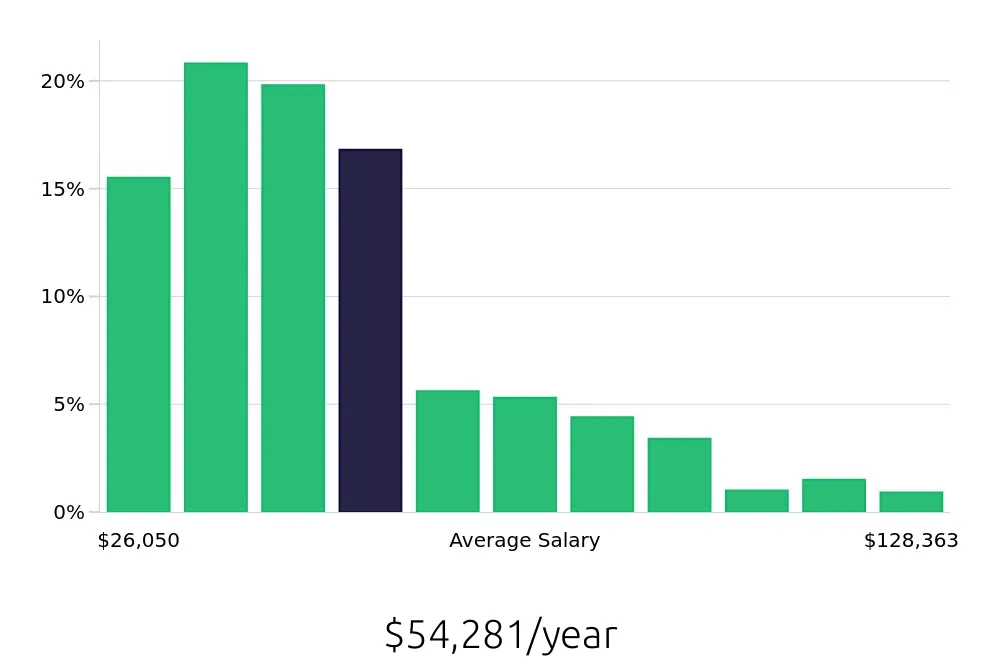
For those considering a tutoring career, the financial rewards are also encouraging. The BLS reports an average national annual compensation of $48,580 for tutors. This figure reflects the earning potential of those who dedicate their time to helping students achieve their educational goals. Hourly compensation stands at $23.36, providing a clear picture of what tutors can expect to earn.
The tutoring profession offers flexibility and the chance to make a meaningful impact. With an expected 3.3% growth in job openings over the next decade, and an average salary that reflects the value of their work, tutors have a rewarding career ahead. For job seekers, this presents a positive opportunity in a growing field.
Currently 3,406 Tutor job openings, nationwide.
Continue to Salaries for Tutor